Suggested Products


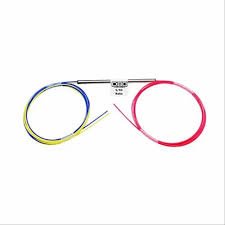
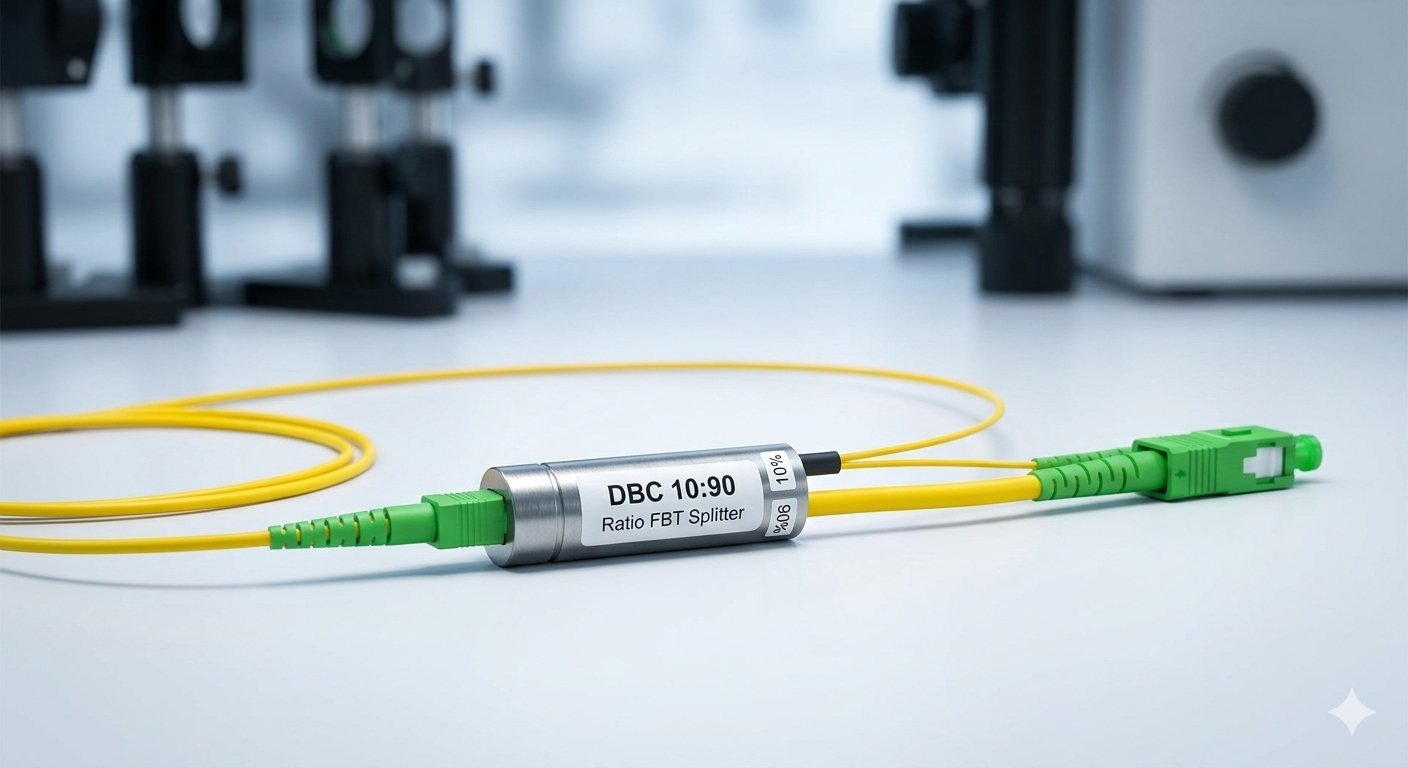
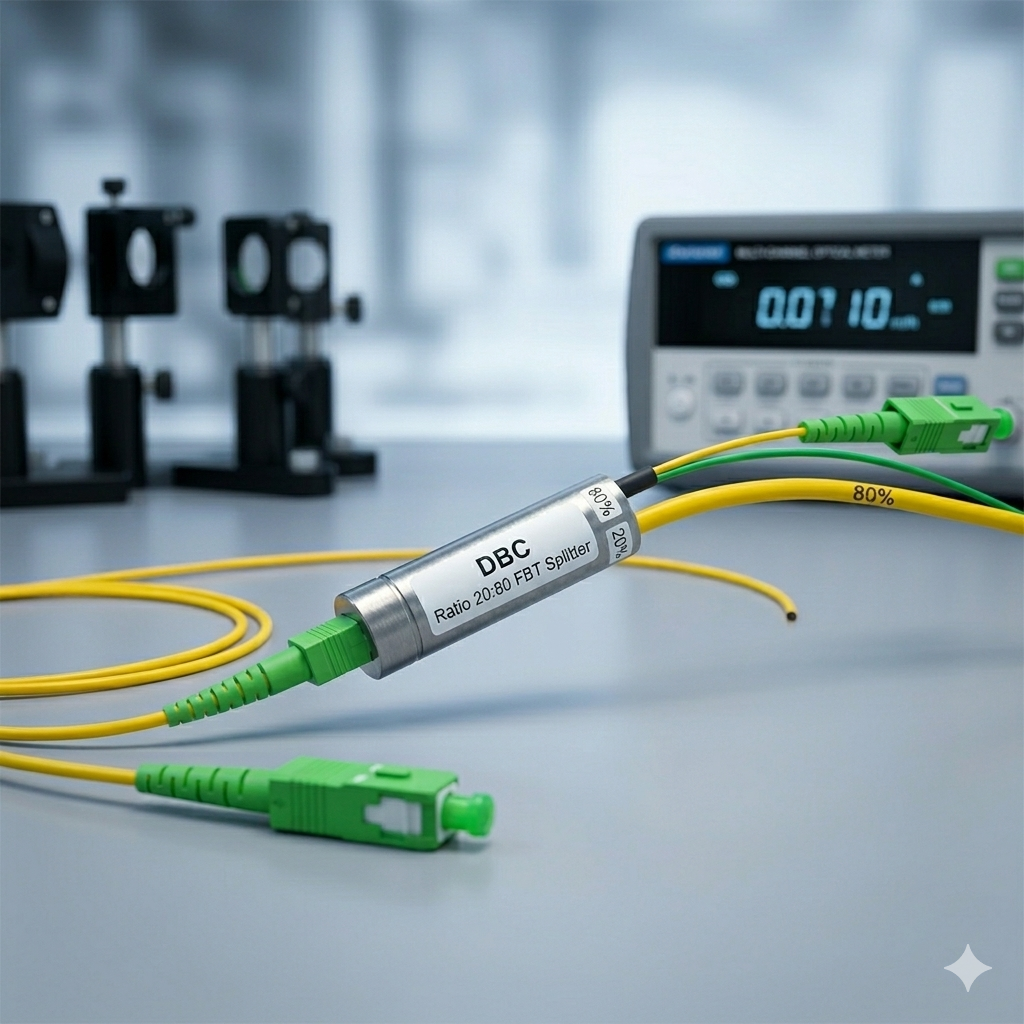
The ACNET 30:70 Fiber Splitter is engineered for precision and durability. It allows ISP technicians to "tap" into a fiber line with enough power (30%) to feed multiple users through a secondary PLC splitter, while still leaving the majority of the signal (70%) to continue the network reach.
ACNET's advanced fusion process ensures the 30:70 split remains constant across all operating temperatures, preventing signal fluctuations.
High-quality glass and precision tapering minimize polarization loss, ensuring maximum efficiency for high-speed data and 4K video signals.
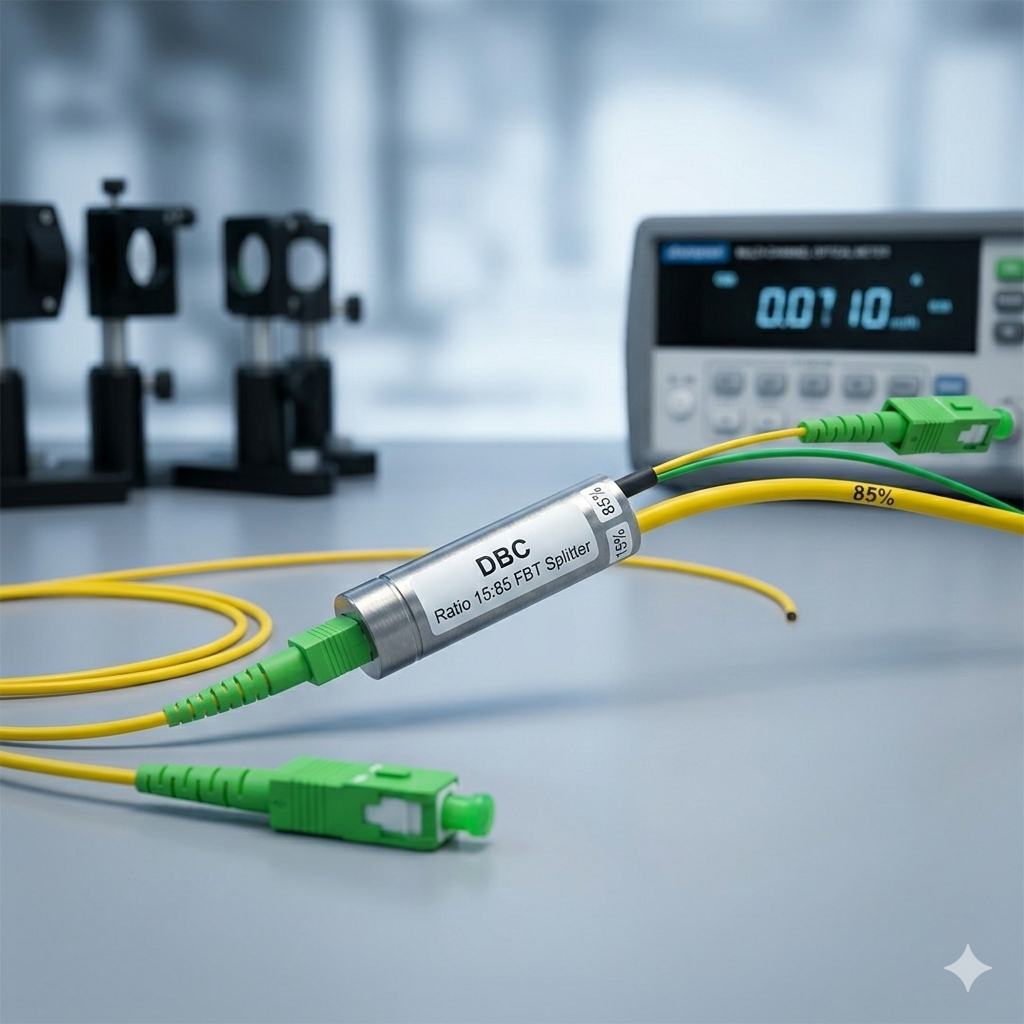
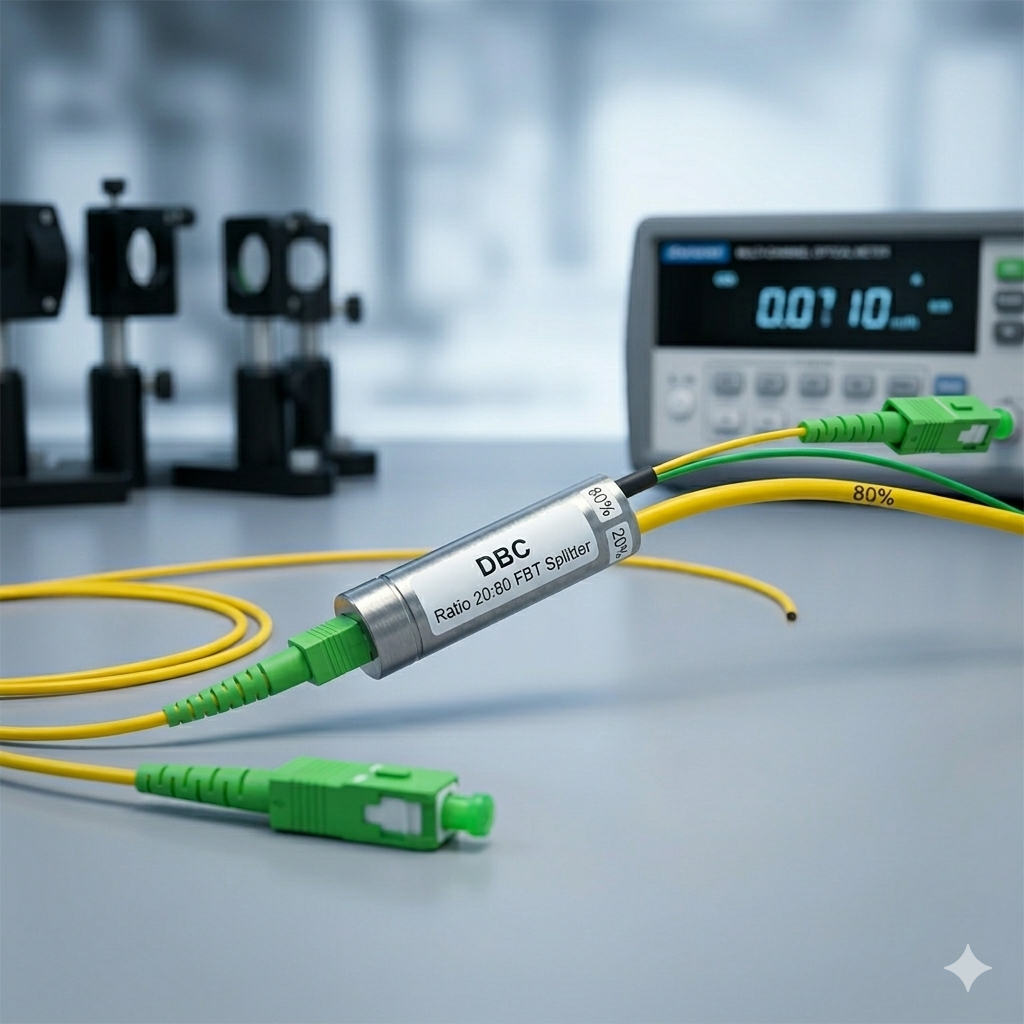
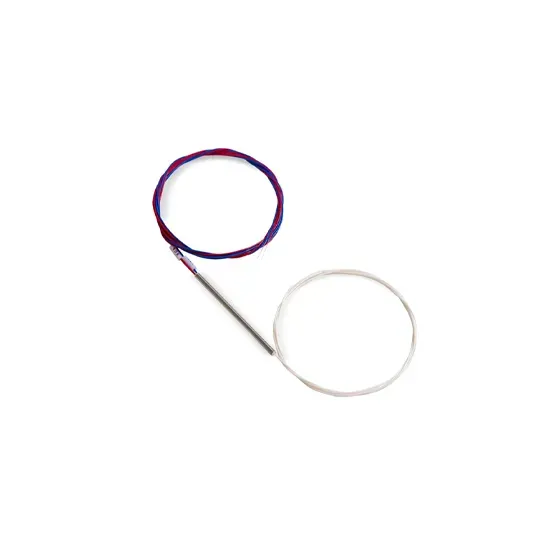
The ultra-slim steel tube design is easily integrated into splice trays, joint closures, and compact Fiber Distribution Boxes (FDB).
Optimized for the three main fiber windows (1310/1490/1550nm), making it a universal solution for EPON, GPON, and CATV overlay. Built using G.657A1 fiber pigtails that can handle tight bends within cabinets without causing significant signal attenuation.
Have question about this product? Get specific details about this product from expert.
There are no questions asked yet. Be the first one to ask a question.