Stock Out
Suggested Products
Stock Out


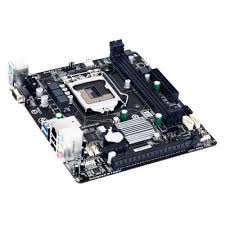
The Gigasonic H81 LGA 1150 motherboard is built on the Intel H81 chipset, targeting cost-effective computing. It is specifically designed to work with Intel LGA 1150 processors, most notably the 4th generation Core series (codename Haswell), including Core i7, i5, i3, Pentium, and Celeron CPUs.
Compatibility & Performance:
The H81 chipset is an entry-level solution. While it doesn't support overclocking (unlike the Z-series chipsets), it provides stable performance for everyday tasks such as web browsing, document editing, and media playback. Because it uses the LGA 1150 socket, it is not compatible with newer Intel generations (LGA 1151, LGA 1200, or LGA 1700).
Memory & Storage:
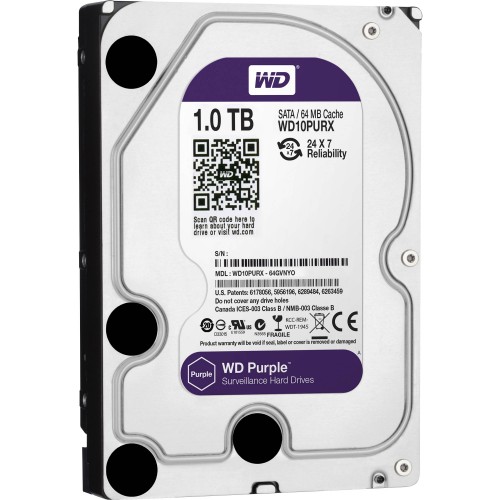
This motherboard typically supports DDR3 memory (not DDR4). It usually comes with 2 DIMM slots, supporting dual-channel architecture with a maximum capacity of up to 16GB. For storage, it provides a mix of SATA 2.0 and SATA 3.0 ports, allowing connection to traditional hard drives, SSDs, and optical drives, though the SATA 3.0 port offers faster data transfer speeds for modern SSDs.
Expansion & Connectivity:
Despite being a budget board, it usually includes essential expansion slots:
PCIe x16 slot: For adding a dedicated graphics card.
PCIe x1 slots: For network cards or sound cards.
Legacy PCI slots: Often included on "Gigasonic" branded boards to support older peripheral cards.
Rear I/O: Typically includes PS/2 ports for legacy keyboards/mice, USB 2.0/3.0 ports, and a VGA port for display output.
Target Audience:
This motherboard is ideal for building a low-cost desktop, upgrading a very old PC, or repairing a system using spare LGA 1150 parts. It is suitable for basic office work, educational use, or as a home server, but it is not recommended for modern high-end gaming or heavy video editing.
Have question about this product? Get specific details about this product from expert.
There are no questions asked yet. Be the first one to ask a question.
Stock Out